
Real Estate Investing
Best cities for investors in 2022


Table of content
The run-up in housing prices in many areas of the country, which was partly spurred by the pandemic-inspired flight to the suburbs from urban centers, seems to have more staying power than many experts expected.
In fact, few expected some of the extraordinary events that have recently transpired in the housing market: bidding wars in cities as disparate as Kingston, NY, and Coeur d’Alene, Idaho; lumber costs up by a multiple of 7; a shift away from office work that appears here to stay; and an epic housing shortage that has left many would-be homeowners sidelined.
Still, opportunities abound, and markets where there is more potential for upside are at the top of the list.
For investors looking to jump on that bandwagon, here are the places Mynd recommends checking out.
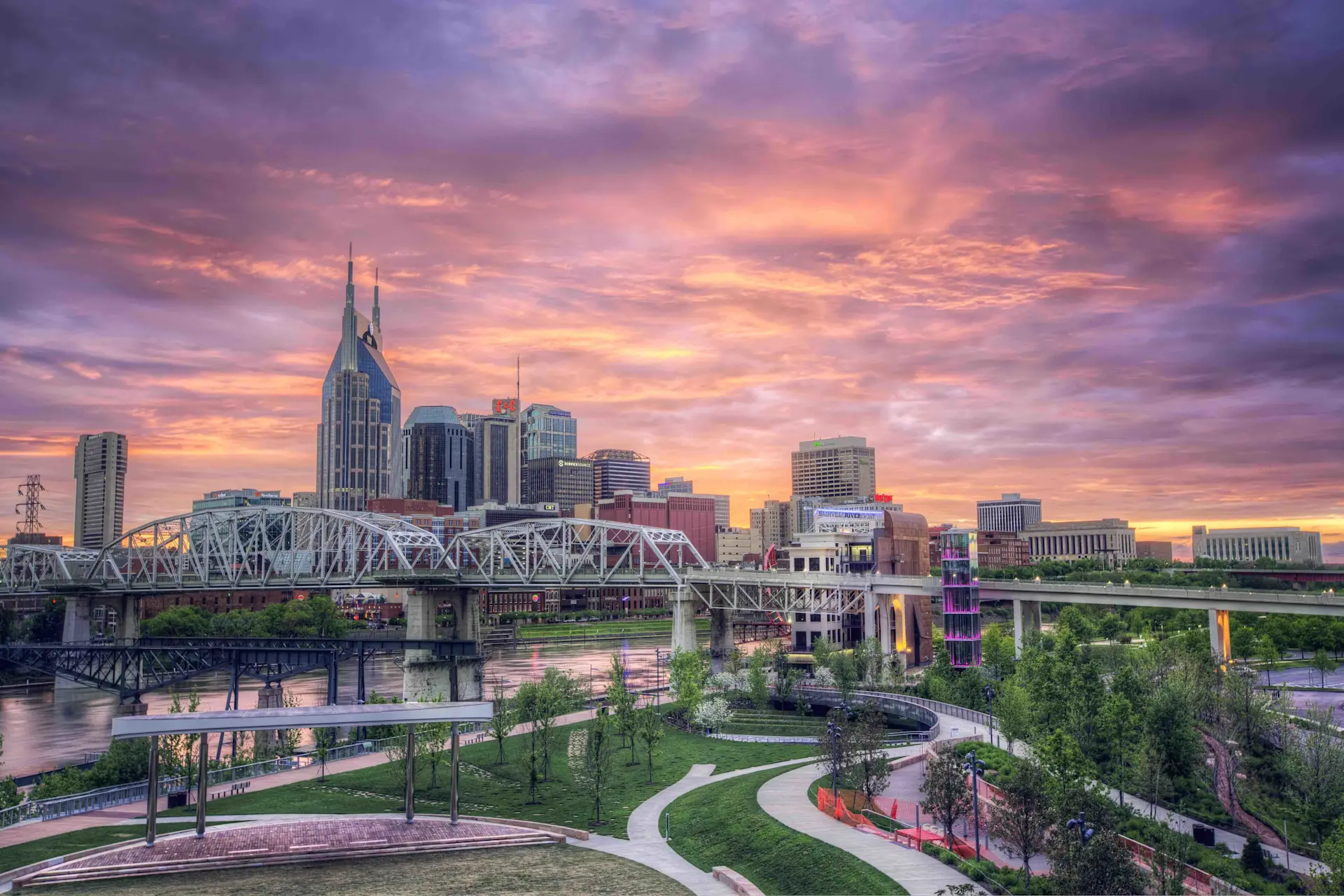
1. Nashville's market is riding high
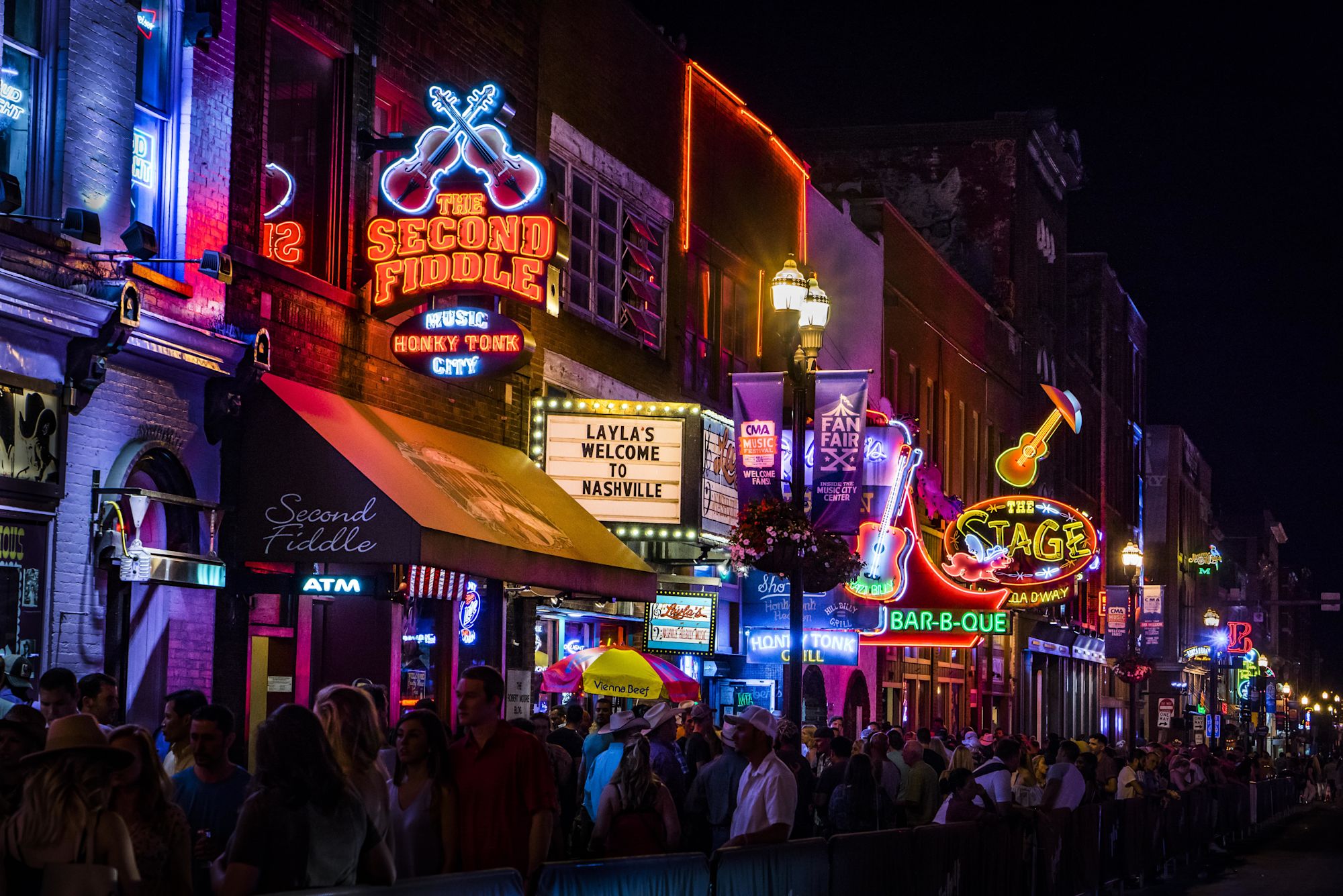
Nashville is best known for country music — it garnered the name Birthplace of Country Music after fostering the early scene in the 1950s. As the genre built a fan base, everyone wanted a piece of the action and a chance at fame on stages like the Grand Ole Opry.
From Patsy Cline (who has her own museum in town, in a building named after Johnny Cash) to Taylor Swift, name a country star and they’ve most likely lived and performed here. The Man in Black made his Grand Ole Opry debut in 1956, and in 1966, a young spitfire named Dolly Parton had her first recorded hit. The Country Music Hall of Fame opened in 1967.
But there’s more to Nashville than booting and scooting, and the real estate market has caught the fever. Like all else in Tennessee’s capital right now, it’s on fire.
The truth about Nashville's real estate market
According to Greater Nashville Realtors, home prices in the metropolitan area broke records in 2021, and continue to go up in 2022.
The median list price for a single family home is $446,175, up from $357,150 last February.
There are fewer homes for sale. 1,338 sales were pending at the end of February this year, in comparison to 3,229 pending sales at the same time in 2021.
Average price appreciation between early 2021 and early 2022 was 23.7 percent. “And we’re probably going to see the same again this year,” says Steve Jolly, Greater Nashville Realtors’ 2022 president.
Inventory for the Middle Tennessee region was down for the overall market and for single family homes. Residential home inventory at the close of February was 3,378 — a 25 percent reduction from February 2021’s inventory of 4,477.
Homes are spending a median 28 days on market, down from 37 year-over-year.
What makes Nashville’s economy go?
In a recent report, the research institute Wealth-X put the formerly honky-tonk town among the globe’s top 30 growth cities.
A longtime magnet for healthcare companies as well as songwriters and guitar players, Nashville is poised to make its mark as a tech hub as well, as Amazon, Oracle (currently building a $1.2 billion Cumberland Riverfront campus), NTT Data, AllianceBernstein and other corporations take up residence.
“Businesses are coming to Nashville because Tennessee is a really friendly place to do business,” says Jolly. “We have investors from across the nation, as well as international players, putting money in Nashville.”
Regular people are following. A 2021 Bloomberg analysis of LinkedIn data saw Greater Nashville beating other destination cities as it drew the second-largest migration of tech talent in the U.S. between May 2020 and April 2021. (Austin was number 1.) The wave resulted in a net increase of 155 software and information technology workers per 10,000 residents.
— Carole Braden
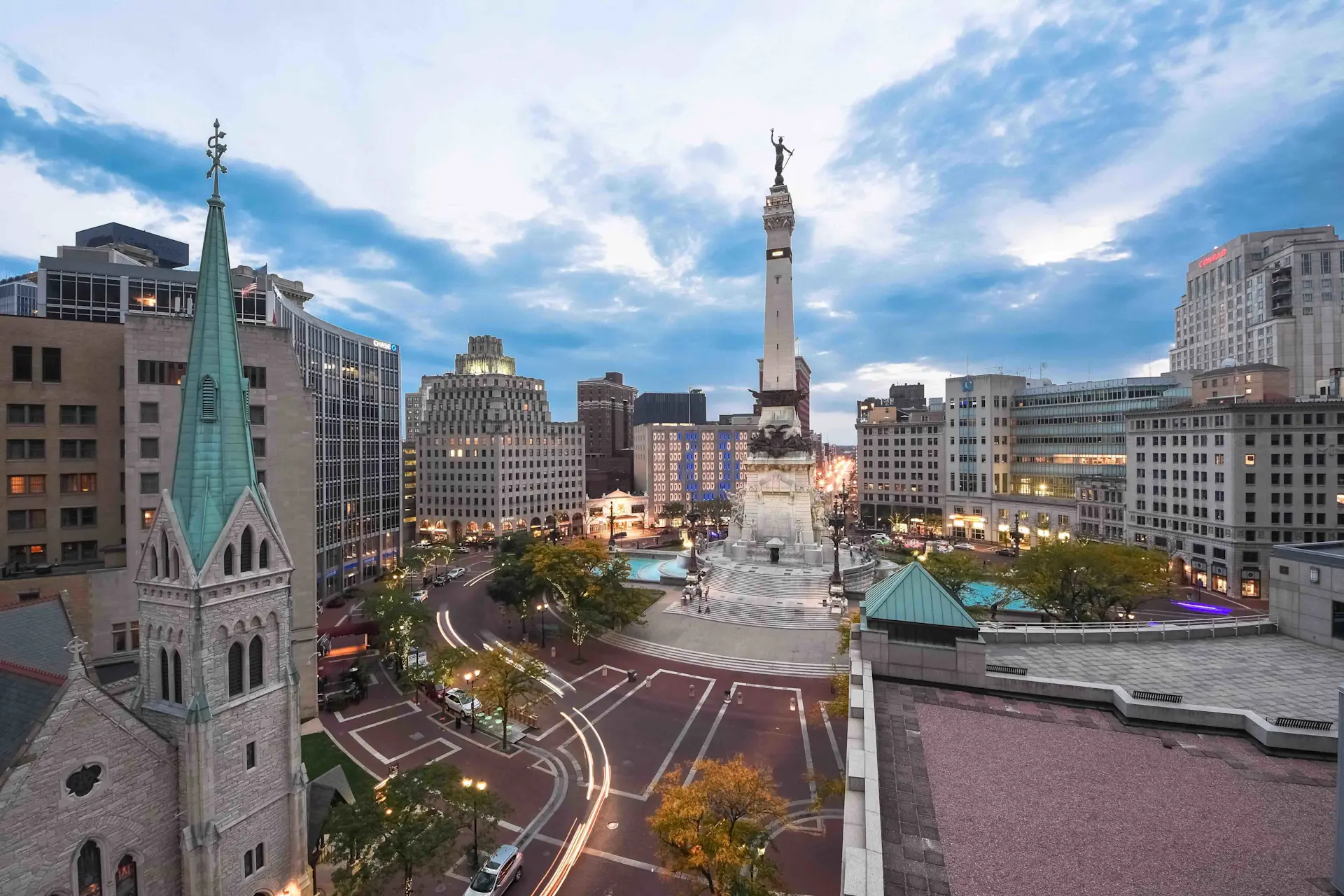
2. Indianapolis lives down 'Indiana-no-place' moniker

The name of Indiana’s capital city was formed when state Supreme Court justice Jeremiah Sullivan combined Indiana, “land of the Indians,” with the Greek word for city, “polis.” It has been subject to some unflattering nicknames, like “Indiana-no-place,” but this Midwest city of about 2 million inspires loyalty among some of its famous natives.
In 2015, when comedian David Letterman said, “It’s the highlight of my career,” he wasn’t referring to a moment from his 33 years in late-night television. He was talking about his name and a caricature of his goofy grin splashed on the car driven by Oriol Servia’s car at the Indianapolis 500. (He became a co-owner of the team in 1996.)
Maybe there’s something in the water that fosters a self-deprecating sense of humor. Novelist Kurt Vonnegut, known for his willingness to poke fun at himself, once said: “All my jokes are Indianapolis. All my attitudes are Indianapolis. … What people like about me is Indianapolis.”
When a New York Times writer (and another native son) visited the 15th-most populous city in the union and third-largest in the Midwest (after Chicago and Columbus) in 2019, he said that while it has changed over the years, it remains true to its nature: “Short on pretension, heavy on pork and still, for the most part, incomprehensibly cheap.”
Home prices on a tear, yet still affordable
The pandemic-era real estate market has been on a precipitous rise, but homes are still within reach of most buyers.
In February, the median home listing price was $220,000, up 18.9 percent year-over-year.
The median home sale price was $222,000, up 23.3 percent year-over-year.
Homes were on the market for a median 9 days, down from 13 year-over-year.
The great prices have attracted investors from all over, resulting in a very hot market.
“It’s definitely crazy,” said Jon Hensley, an agent with Coldwell Banker Kaiser. “We’ve seen prices rising steadily. For buyers, it’s a tough market. Homes are off the market very quickly. If it’s priced anywhere near correct and the house has any redeeming value, it is gone.
“Our buyers need to be prepared to make a decision the day they look at a house,” Hensley said. “Homes are on the market for 16 days on average, and the only reason it’s that high is that there are some sellers who have marginal property or are looking to make a killing.”
Homes that are priced correctly are snapped up in four or five days, he added.
Flyover country no more
Hoosiers like to dismiss misconceptions of their city as being another burg in flyover country.
“We offer everything that you can get in other cities and parts of the country, whether you want a city with a lot to do, or you can get out of the city very easily,” said Hensley.
Conceptions of the city as being part of the Rust Belt are also outdated. While it’s true that the city lost many manufacturing jobs in the period between 1990 and 2012, its economy has since diversified. Moody’s associate economist Matt Colyar says that his company’s diversity rating of the city is a 77 out of 100; by comparison, Chicago gets an 80.
“As far as population trends, prior to the pandemic, people were moving into Indianapolis, by contrast with other places in the Midwest,” Colyar said. “Logistics is huge there, and that’s an industry that’s hiring at high rates. It’s got a cool identity that some other Midwest cities can’t boast.”
Pharmaceutical companies like Eli Lilly and Roche help attract college educated young workers.
“Having a draw for jobs that require a college degree is crucial,” Colyar added. “Any mayor is looking to expand that.”
Fortune 500 health care company Anthem was founded and remains headquartered here. Eli Lilly is the largest private employer, with 11,000 staffers. Amazon has a major presence, employing 9,000, and FedEx has a national hub that employs 7,000.
The city is home to one of the country’s largest life sciences clusters, employing between 20,000 and 30,000 among nearly 350 companies. It’s also a hub for academic medicine and research, with such institutions as Indiana Biosciences Research Institute, Indiana School of Medicine, and the American College of Sports Medicine.
— Brian Boucher
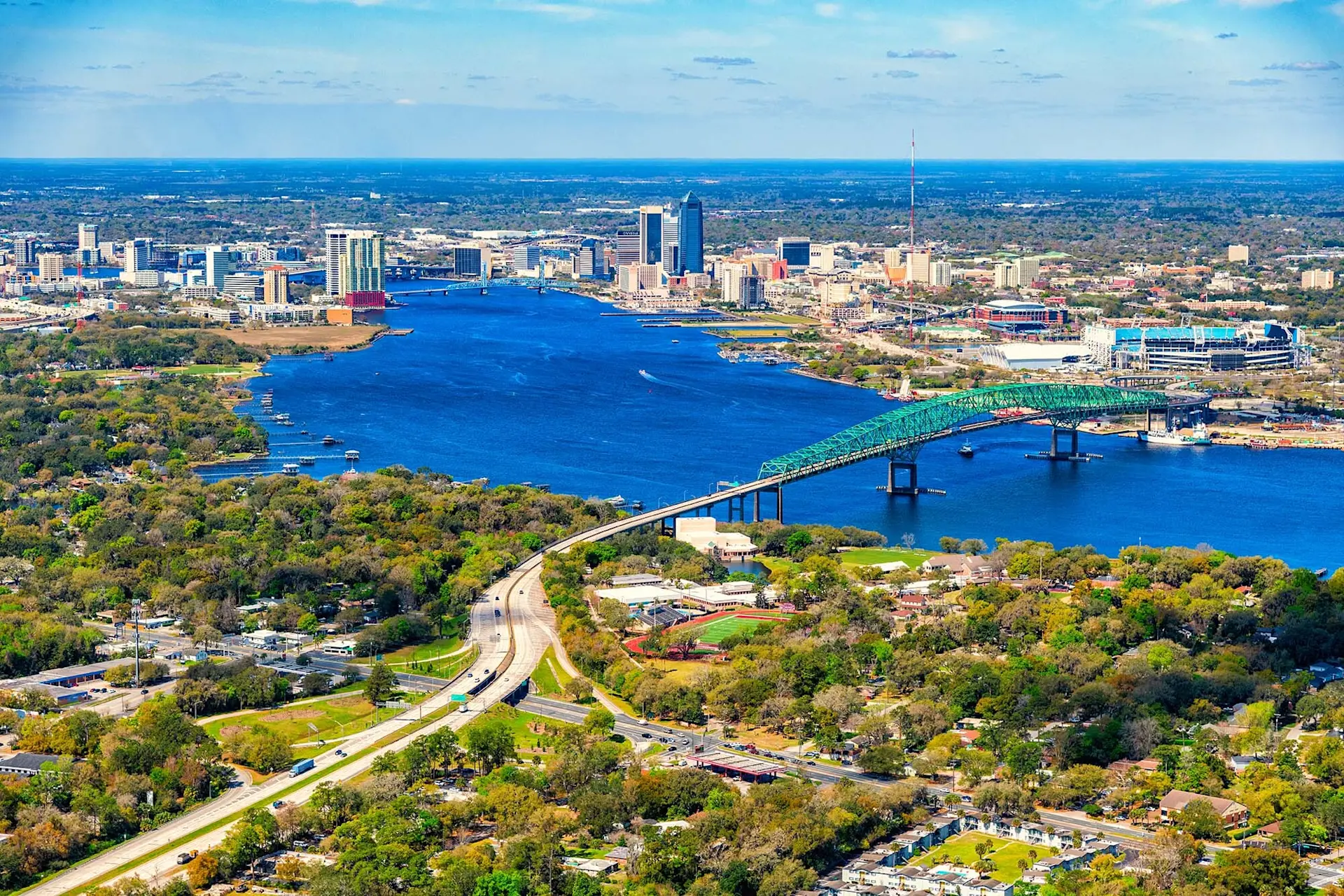
3. Jacksonville's days under the radar are a thing of the past
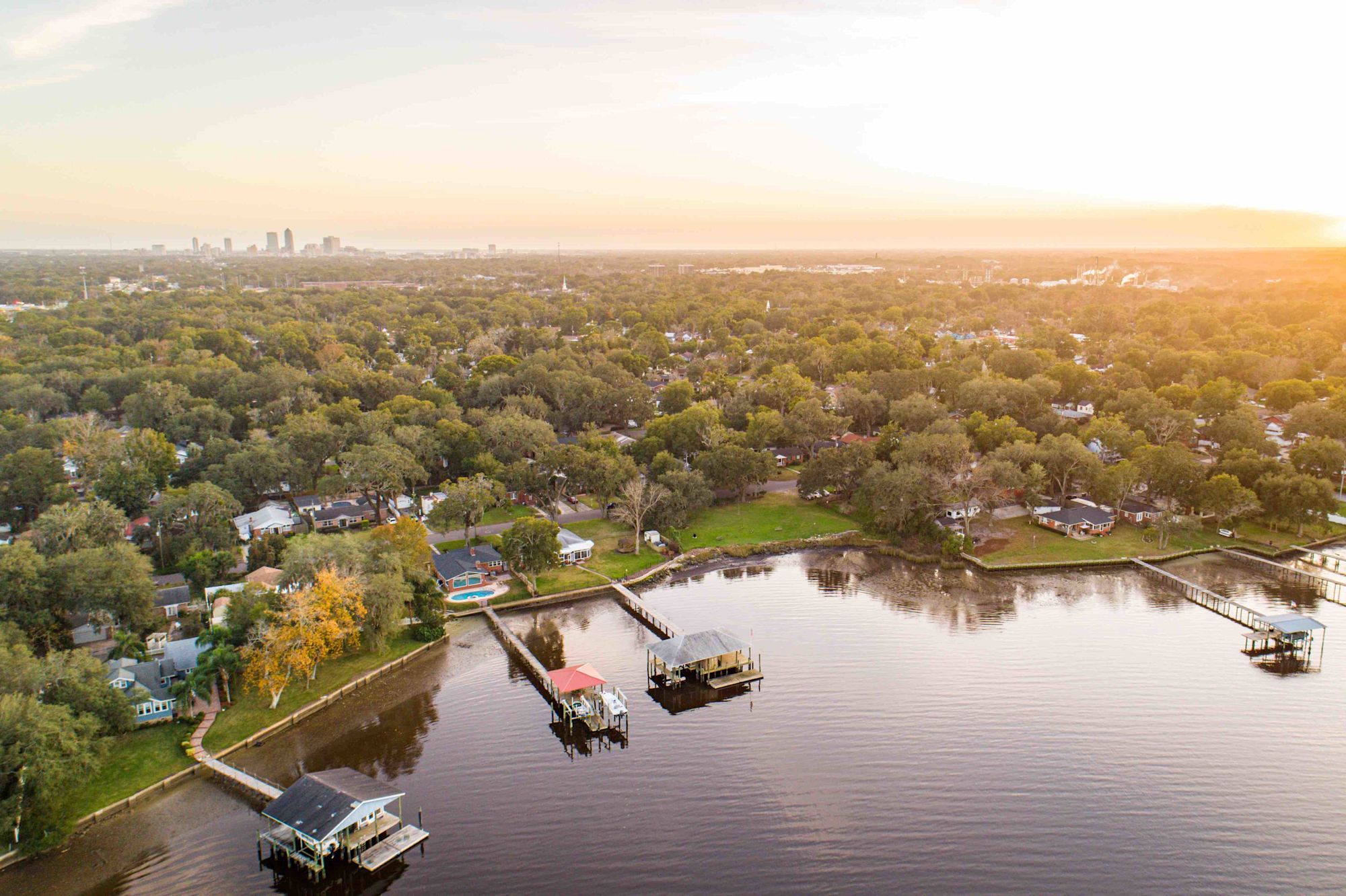
One could argue that Jacksonville’s less-than-stellar reputation in pop culture — think cultural backwater populated by hillbillies, a city that couldn’t supply enough hotel rooms at the 2005 Super Bowl — has worked in its favor, with residents enjoying a pleasant and affordable quality of life in a river-and-ocean city well below the radar.
Now, with the national housing landscape having shifted to one of high panic over shrinking inventory, Jacksonville real estate has been discovered and the city is booming with sales and rentals that match or exceed the frenzy that has plagued other hot markets across the country.
But, locals in the know would argue that there is still some runway before prices begin to match those of other in-demand cities, and Jacksonville remains a very good place to invest, provided a buyer is ready to wade into its hyper-competitive market.
An underestimated city hits its stride
The city and its real estate market have long been underestimated, putting it in the position today where it is feeling the effects of a boom.
“Jacksonville has been undervalued for a very long time compared to the national numbers,” said Wendy Griffis, a Better Homes & Gardens realtor. “At one point you could buy a beautiful house on the ocean for a million—now that couldn’t happen.”
According to data from Better Homes & Gardens Real Estate Lifestyles Realty, the dollar volume of closed sales in Northeast Florida went from $9 billion in January of 2021 to over $14 billion in January of 2022.
In March, Jacksonville’s median home listing price was $289,900, up nearly 21 percent from $239,900 in March 2021, according to realtor.com.
The median home sale price was $291,250, up from $235,000 in March of 2021, or nearly 24 percent.
Homes were on the market for a median 42 days in March, down from 49 days year-over-year.
Lisa Pruitt has worked in real estate in the area since 1992, and has witnessed a shift.
“
You might also like












Property management
Institutional


Disclosure: This material is for informational and educational purposes only. It is not real estate, investment, or financial planning advice. Roofstock is not your advisor or agent unless expressly specified by Roofstock Realty, LLC. Please consult your own experts for advice in these areas. The information is derived from proprietary and nonproprietary sources Roofstock believes reliable, is subject to change, and is not guaranteed to be current, accurate, or complete. Roofstock strives to provide a wide array of services to investors, including services from partners that provide financial services, real estate brokerage, and property management services. These partners do not represent all available options, and Roofstock does not guarantee their services. Some of these partners may compensate Roofstock for customer referrals.